
Cement Screeding: Ultimate Guide to Proper Methods, Mix & Best Practices
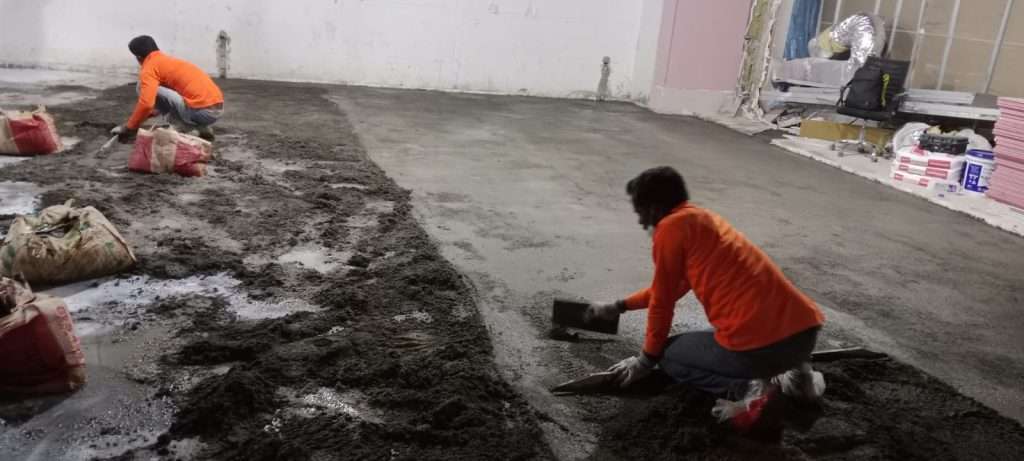
Cement Screeding Guide: Methods, Mix Ratios & Best Practices A perfectly level and smooth floor isn’t a luxury; it’s the essential foundation for any successful flooring installation. This is where cement screeding proves its worth. But what exactly is cement screeding, and how do you ensure it’s done correctly? This ultimate guide dives deep into the proper methods, ideal mix ratios, and industry best practices to help you understand everything about installing a durable cement floor screed, whether for a DIY project or a professional build. Table of Contents What Is Cement Screeding? Why Use Cement Screeding? Types / Approaches of Cement Screeding Materials & Tools Needed Step-by-Step Cement Screeding Process Mix Ratios & Best Practices Curing, Maintenance & Drying Common Mistakes & How to Avoid Them When to Use Alternative Screed Types Frequently Asked Questions (FAQ) Summary & Call to Action Contact With us – BD NETWORKS PTE LTD Whats App 1. What Is Cement Screeding and Why Does It Matter for Floor Levelling? Definition: Cement screeding refers to applying a layer (a “screed”) of cementitious material (typically cement + sand + water, sometimes with additives) over a concrete base or structural slab. Its purpose is leveling, smoothing, and preparing for final floor finishes. In construction, a “screed” can mean (a) the material itself, (b) the action of leveling, or (c) the tool used to level. Wikipedia+1 Cement screeding is usually non-structural; it’s a finish or intermediate layer, not the structural slab. OPC Finishing 2. Why Use Cement Screeding? Cement screeding offers the following advantages: Creates a flat, level surface, essential for tiling, wood flooring, vinyl, etc. Helps correct slight irregularities in the substrate. Provides a stable base and better adhesion for the final finish. Can protect embedded systems (like underfloor heating) and distribute loads. Improves aesthetics and reduces localized stress or weak spots. However, it’s not intended to carry major structural loads — that’s the role of the base concrete slab. Contact With us – BD NETWORKS PTE LTD Whats App 3. Types of Cement Floor Screeds (Bonded, Unbonded, Floating, and Self-Leveling) When one says “cement screeding,” there are multiple subtypes or approaches. Choosing the right type is crucial. Common types include: Screed Type Description / Use Case Bonded Screed Screed directly bonded to structural slab, often 20–50 mm thick. Unbonded Screed Screed laid over a damp-proof membrane (DPM), often with slip layers to allow movement. Floating Screed Screed over insulation or underfloor heating systems, isolated from base slab. Liquid / Flowing Screed (Self-leveling) Pre-mixed or pumpable screed that flows into place and levels itself. Fiber-reinforced or Polymer-modified Screed Additives or fibers help with crack control, adhesion, and flexibility. 4. Materials & Tools Needed To carry out proper cement screeding, you’ll need: Materials Ordinary Portland Cement (OPC) or equivalent Sharp / clean, well-graded sand (not fine building sand) Water (clean, free of contaminants) Optional additives: plasticizers, fibers, bonding agents, shrinkage reducers, waterproofing admixtures (If over DPM) a slip / separation layer Tools & Equipment Straightedge / screed board / aluminium batten Screed rails or battens (for level guidance) Trowels, floats Mixing equipment (wheelbarrow, mechanical mixer, paddle mixer) Screed pump (for pumped / flowing screeds) Laser level, spirit level, or leveling line Primer / bonding agent brush or roller Protective sheeting / curing membranes Moisture meter (to check dryness before finishing) Also, plan safety gear (gloves, goggles, masks) because cement dust is hazardous. Contact With us – BD NETWORKS PTE LTD Whats App 5. Step-by-Step Screeding Floor Process Before applying a cement screed, make sure the concrete substrate is well-prepared. The base must be fully cured, stable, and free from visible cracks or movement. Clean the surface thoroughly by removing dust, grease, debris, or laitance. Check for moisture — if the substrate is too dry or porous, dampen it slightly or use a primer. For a bonded cement screeding system, apply a bonding slurry or adhesive to ensure proper adhesion between the screed and the base. Set Up Screed Guides / Rails Install screed rails or battens according to the required thickness and final level of the screed floor. Use a laser or spirit level to verify accuracy, as this step directly affects the final smoothness and evenness of the cement floor screed. Prepare / Mix Screed Material Getting the mix ratio right is the single most important factor in creating a strong, durable, and crack-resistant screed floor. The standard traditional mix is: Standard Cement Screed: 1 part Ordinary Portland Cement (OPC) to 3-4 parts sharp, well-graded sand. Example: For a small batch, you might use 1 bucket of cement to 3.5 buckets of sand. The Importance of Water:The mix should be semi-dry. It should hold together when you squeeze a handful, with only a tiny amount of moisture seeping out. Over-watering is a common mistake that leads to shrinkage, cracking, and a weak screed cement floor. When to Use Additives: Plasticizers: Improve workability without adding excess water, making the screeding process easier and the final result stronger. Fibers (Polypropylene): Dramatically reduce the chance of plastic shrinkage cracking. Highly recommended for most applications. Bonding Agents: Essential for creating a bonded screed. Never use PVA; use a latex-based bonding agent. Apply Screed Start pouring or placing the mix from one end of the area and move systematically across the floor. Use a straightedge or screed board to level the material over the guide rails. Compact the screed gently to remove air pockets, and strike off any excess to achieve a consistent level throughout the cement screed floor. Fine Finishing / Floating Once leveled, use a float or trowel to smooth the surface and fill minor imperfections. Avoid excessive troweling, which can lead to surface segregation or weak spots in the cement floor screed. Edge / Joint Treatment Insert control or expansion joints as needed, particularly on larger screed floors, to reduce cracking. Remove rails or formwork carefully once the screed has begun to set, ensuring the edges remain intact. Curing / Protection After finishing, cover the surface immediately with curing membranes or plastic sheets to retain moisture. Proper curing — usually between 7